Artificial Grass for Dogs in Brisbane
Artificial grass for dogs in Brisbane suits a backyard that has turned to mud and bare patches. A draining base and tough turf give your dog a cleaner place to run.
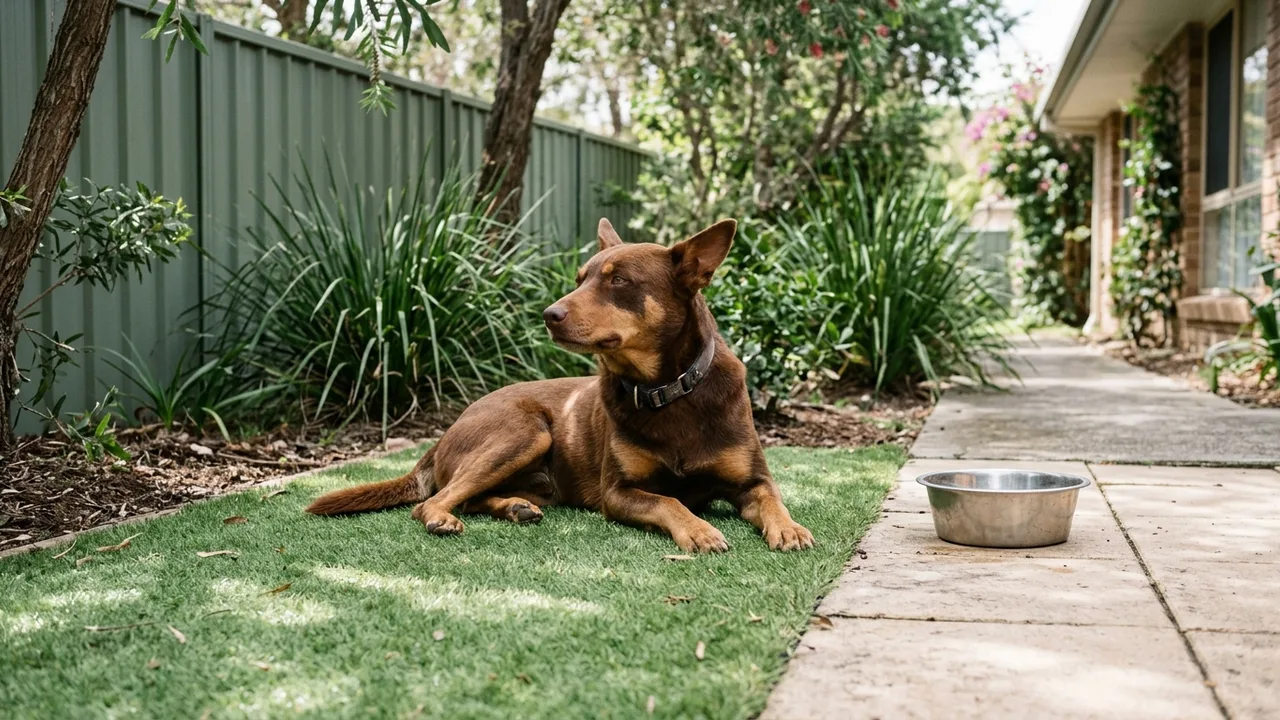
Yes, synthetic turf can handle a dog and stop the mud, provided the base drains and the edges are fixed down well. The grass you see is only the top layer. What sits underneath decides how fast urine and rain get away, and how flat the lawn stays under running paws.
What is included
- Ground preparation Mud, roots and old lawn are cleared so the new surface does not sit on soft or rotting material.
- Draining base A compacted, sloped layer lets urine and rain move away from where your dog plays.
- Secure edges and seams Tight borders and joins give paws and teeth less chance to lift the turf.
- Pet-suited turf and infill Backing, pile and infill affect drainage, smell and how easily you can pick up after your dog.
How it works
-
Measure and look at the yard
The installer measures up, sees where water sits and notes where your dog toilets, runs and digs.
-
Clear and shape the ground
Old surface material comes out and the ground is graded so liquid drains in a planned direction.
-
Build and compact the base
Base material is spread, levelled and compacted, with added drainage where the site calls for it.
-
Lay, join and fill
Turf is cut to shape, seams are joined, edges are fixed and infill is brushed in. Job length depends on area, access and groundwork.
Artificial grass for dogs in Brisbane: drainage, odour and mud
Urine passes through holes or a porous layer in the turf backing, then soaks into a compacted base of crushed material. That base needs a fall, meaning a gentle slope, so liquid has somewhere to go. Around inner Brisbane, yards often sit on hillsides or heavy clay. A slope can push runoff toward one edge and clay soaks it up slowly, so the installer may need to plan extra drainage.
Smell usually builds where residue stays behind. A favourite toilet corner, a flat spot that holds water or a shaded strip beside a fence are typical trouble areas. Rinsing helps, and a cleaner made for pet urine on synthetic turf can deal with what water leaves.
Artificial turf infill is the loose material brushed down between the blades. It adds weight and helps the fibres stand up. Some infills are chosen to help with odour, but they still need rinsing.
Will your dog wreck synthetic turf?
Running and everyday wear are what a suitable pet turf is made to take. Digging and chewing are different, because a determined dog goes looking for a loose edge or an open seam. Firm fixing around the border and tightly joined seams leave less to grab.
Think about where your dog digs now. A run along the fence line, a spot by the back door or the ground under a tree may need stronger edging. Paving or a hard border can also help where paws keep working at one place.
Heat matters too. Synthetic grass can get much hotter than a living lawn in full Queensland sun. Shade and fresh drinking water help, and a hose-down cools the surface for a while. Press your palm on it before the dog goes out on a hot afternoon.
Choosing pet turf and comparing it with natural grass
The right turf drains freely, springs back after traffic and is easy to pick clean. Shorter, denser pile tends to make solids simpler to lift, while longer pile can look softer but hold more hair and debris. Your quote should name the exact turf product. Its data sheet shows the backing, fibres and drainage, so you can judge it against your dog's habits.
For safety and allergies, look at what the fibres and infill are made from. A dog that chews or has sensitive skin is worth mentioning before a product is chosen.
Natural grass feels cooler and repairs itself when it gets rest, water and sun. In a small, shaded or busy yard it can wear to dirt faster than it grows back. Artificial grass needs no mowing and stays green without watering, though it still needs cleaning.
What shapes the cost of a dog-friendly turf job
Heavy clay drains slowly, so a dog yard on clay can cost more than its size alone would suggest. The installer may need to dig deeper, build up more base or add drainage, and that extra labour and material adds to your quote.
Product and infill choices change the figure, and so does the cutting. A dog run looks like a simple shape on paper, yet every fence post the installer trims around adds labour to the quote.
A useful quote sets out the turf, base preparation, drainage, infill and removal of the old surface. Match any QBCC licence your installer quotes to their name on the QBCC licensee register before the dog run is dug out.
Doing it yourself is possible on a small flat patch. The risk lies in the base, since a poor fall or soft spot can leave puddles and smell under finished turf.
To request a quote for your dog's yard, type in your suburb, the rough size of the area, how the ground falls and where your dog toilets or digs.
Pet-friendly artificial grass options
- Backyard pet lawns Turf across the main yard where a dog has worn the grass down to dirt.
- Dog runs Narrow fenced strips with drainage and firm edging for constant back-and-forth traffic.
- Shared play areas A surface for kids and dogs together, with product choice weighed for comfort and cleaning.
Pet-friendly artificial grass across Brisbane
Frequently Asked Questions
How do I clean artificial grass after my dog uses it?
How long can an artificial lawn last in a yard with dogs?
Can pet damage, lifted edges or split seams in dog turf be repaired?
Get it priced
Patchy lawn, mud or dead grass after summer? Get a clear turf quote for your yard.
Tell us where the grass is going and get a price for your yard.